Nature's Palette: Pioneer Services Utah's Guide to Landscape Color Harmony Dec 04, 2025
To begin your journey into landscape color harmony, it is essential to understand the color wheel. The color wheel is a fundamental tool used by designers across various fields to create visually pleasing combinations. In the context of landscaping, it helps you determine which plant colors will complement each other and enhance the overall aesthetic of your garden.
A pivotal strategy for achieving harmony is choosing a color scheme. For instance, complementary colors, which are opposite each other on the color wheel, such as purple and yellow or red and green, can make certain elements pop and create visual excitement. Analogous colors, those that sit next to each other on the wheel like blue and violet or yellow and orange, offer a more harmonious, calm appearance.
Texture and foliage play crucial roles alongside color in landscape design. Mixing foliage textures can add depth and interest, allowing even a monochrome garden to feel dynamic. Consider combining the spiky leaves of yucca with the soft foliage of ferns for an intriguing contrast that captures attention.
Moreover, playing with color intensity can have a profound effect. Bold, bright blooms, such as tulips or daffodils, draw the eye and can be used to highlight focal points in your garden. In contrast, using paler shades, like pastel pink or soft lavender, can create a soothing atmosphere that invites relaxation.
When planning your landscape, consider seasonal changes to ensure year-round beauty. Spring and summer are abundant with vibrant blossoms, while fall introduces a stunning array of reds, oranges, and yellows. Winter in Utah, with its snow-covered landscapes, offers a unique opportunity to experiment with evergreens and other perennials that maintain color through the colder months.
Another aspect to consider is the psychological impact of colors. Colors not only attract and captivate the eyes but also influence mood. For instance, green is often associated with calmness and rejuvenation, making it an ideal choice for areas intended for relaxation. On the other hand, warm shades like red and orange can energize and stimulate, perfect for social spaces such as patios or outdoor dining areas.
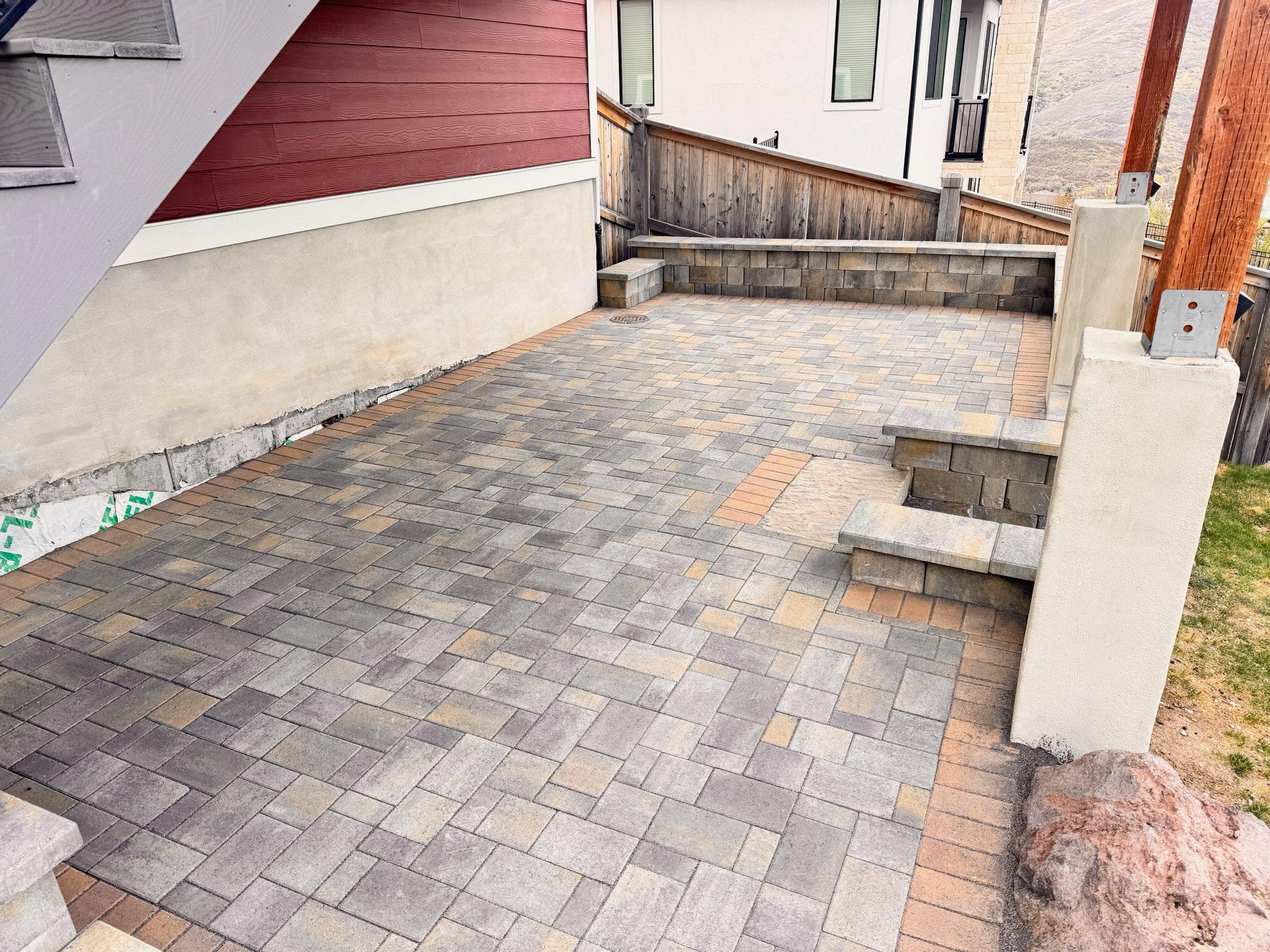
Utilizing color harmony goes beyond planting flowers and shrubs. Hardscaping elements such as pathways, fences, and garden furniture can be integrated into the theme. Selecting materials and finishes that complement or contrast with your plant choices can help tie your entire landscape design together.
Finally, don’t be afraid to put your personal touch in your landscape. The best gardens reflect the personality and creativity of their owners. At Pioneer Services Utah, we encourage you to explore different combinations and find what speaks to you. Experimenting with different hues, shades, and patterns can lead to unexpected beauty and personal satisfaction.
In conclusion, achieving landscape color harmony involves thoughtful planning and a keen eye for detail. By understanding the principles of the color wheel and incorporating your unique style, you can create a garden that not only dazzles onlookers but also provides a personal sanctuary. At Pioneer Services Utah, we are dedicated to helping you realize your vision of a beautiful, harmonious outdoor space. Whether you need a complete landscape makeover or just a bit of advice, we’re here to guide you every step of the way.
/filters:no_upscale()/filters:format(webp)/media/5c0dcde3-e1e2-4e0b-8ff9-502cd2f7ebaf.jpeg)